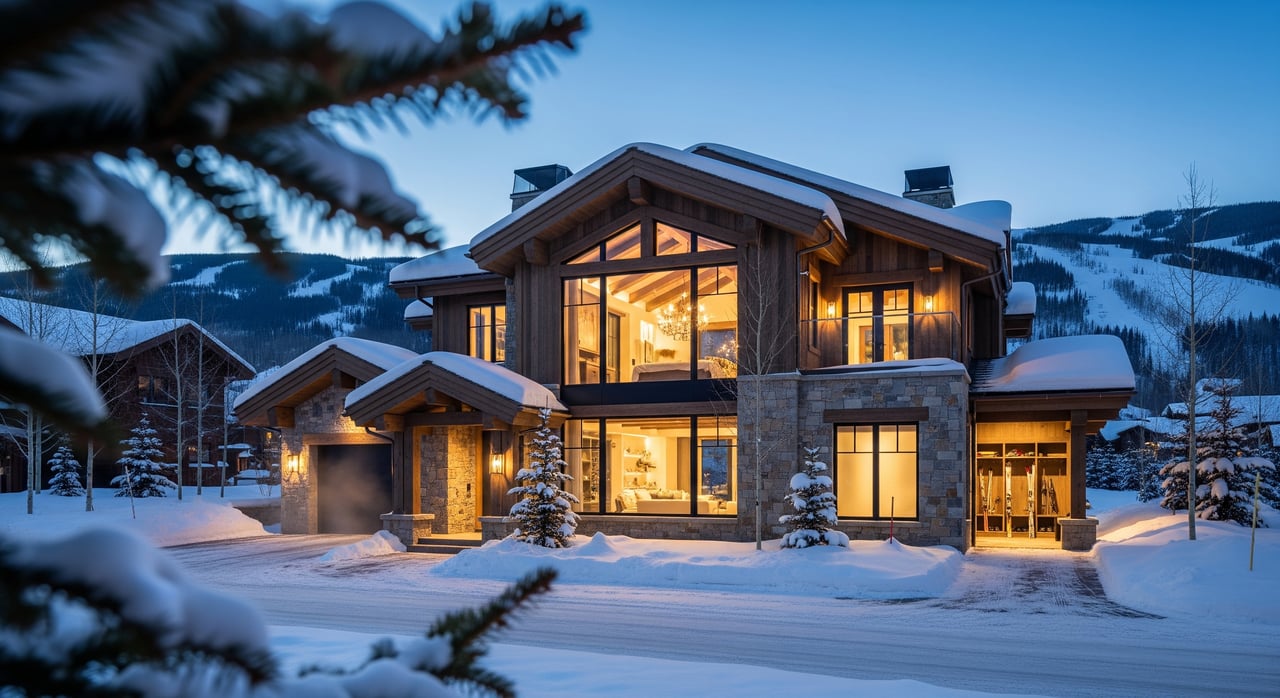
Why do listings seem to vanish just as the lifts start spinning? If you have been touring Old Town during ski season, you have likely noticed fewer for-sale signs and faster-moving homes. You are not imagining it. In this guide, you will learn why winter inventory tightens in ski towns, how that shows up in Old Town specifically, and how to use winter visits to prepare for spring releases. Let’s dive in.
Why winter inventory drops
In resort markets, active listings usually fall in late fall and winter, then rise in late spring and early summer. This pattern shows up year after year in national housing research and seasonal market snapshots. You see steady demand from visitors and second-home shoppers, but owners often choose to wait to list. Many prefer to enjoy ski season or keep existing rental bookings intact.
The data and commentary on seasonality support this cycle. You can find broad context in NAR research and statistics, along with seasonal insights from Realtor.com’s analysis of listing patterns and Zillow Research on housing seasonality. The bottom line is simple: demand does not vanish in winter, but supply often does.
Demand vs. supply in ski season
Ski season brings serious buyers to town who want to experience lift access, transit, and nightlife first-hand. At the same time, many second-home owners occupy or rent their properties during peak months, which reduces the number of homes hitting the market. This mismatch can create more competition for the limited listings that are available. Some sellers may price to draw attention, while others hold for spring.
Old Town patterns to know
What tends to list, and when
In Old Town, condos and townhomes near Main Street or with ski-in or ski-out access are more likely to pop up during winter than larger single-family homes. Condo owners can list with minimal exterior staging and may be on site to manage showings. Larger luxury homes often wait until spring or early summer when landscaping, decks, and views show their best.
New construction and spec offerings often release with spring and summer buyer traffic, although developers will list year-round when it fits their goals. You will also see “coming soon” and pocket listings in tight segments. Local agents share these privately with qualified buyers before a public MLS launch.
Short-term rental impacts
Short-term rental permitting in Park City influences listing timing. Some owners plan around permit renewals or peak rental seasons. If rules change or enforcement tightens, you might see a small surge of listings from owners who choose to exit the rental strategy.
Weather and access realities
Snow, staging logistics, and tenant turnover can delay winter listings. Many owners simply prefer to sell when driveways, patios, and views are fully showable. Old Town’s limited land supply also makes inventory more cyclical. New inventory tends to enter slowly, which can amplify seasonal swings.
Touring Old Town in winter
Winter tours are not a disadvantage. In many ways, they give you the clearest look at day-to-day life during peak season.
What winter reveals
- True ski access, transfer times, and shuttle routes.
- Parking, on-site operations, snowcat and groomer activity, and nightlife noise levels.
- Performance of winter-critical systems like heating, roof load management, and snowmelt.
What winter can hide
- Landscaping, patios, and exterior finishes that sit under snow.
- Siding, decking, and grading or drainage details.
- Driveway slope and shoulder-season access issues such as runoff or mud.
Winter inspection focus
- Ask for recent spring and summer photos or a recorded walkthrough.
- Confirm roof condition, snow-load capacity, and snow removal plans and costs.
- Verify heating and hot-water performance with winter records.
- If rentals matter, check STR permit status, occupancy history, and any HOA restrictions.
- Review winter utility bills and plowing or service invoices.
Financing and valuation in winter
Second-home financing basics
Lenders treat second homes differently than primary residences. Expect higher minimum down payments, stricter debt-to-income ratios, and documentation showing you can carry two properties. Luxury prices can also push you into jumbo loan territory, which varies by lender. For a clear overview, review the CFPB guidance on mortgages for secondary homes.
If you plan to tour in winter and make an offer later, discuss timing and rate-lock strategies with your lender. Ask how long your pre-approval stays valid and what you will need to refresh it in spring.
Appraisals when comps are thin
Low winter inventory can mean fewer recent closed sales. Appraisers may use older data or pull comparable sales from nearby non-resort areas. Pricing can be mixed: some sellers price to attract offers during the quiet season, while high-demand pockets may still see strong competition per listing.
Prepare for spring releases
Set alerts and track the market
Use a local agent’s direct MLS feed for the fastest, most granular alerts by micro-neighborhood, property type, and price band. You can supplement with national portals, but a local feed is usually quicker and includes “coming soon” when available. Also watch price reductions and withdrawn listings, which sometimes return in spring.
Get fully pre-approved
Secure a full pre-approval, not just a pre-qualification, and include jumbo products if needed. Gather proof of funds for your down payment and closing costs so you can act quickly. Confirm the refresh process if several months pass before you write an offer.
Leverage local networks
Retain a buyer’s agent with deep Old Town experience and access to pocket listings. Ask them to monitor “early release” opportunities and keep you informed on properties that match your criteria. Being first in line can make the difference when inventory is scarce.
Plan visits and compare seasons
Use a winter visit to validate lifestyle factors like ski access, parking, and Main Street proximity. If possible, plan a spring or summer follow-up to confirm exterior condition and views. If a second visit is not feasible, request seasonal photos and contractor reports to fill the gap.
Offer strategy when the right place appears
In tight winter pockets, write clean but buyer-protective offers with standard inspections and realistic earnest money. If you learn about a property slated for a spring launch, a respectful preemptive offer can sometimes work, depending on the seller’s plans. Your agent can advise on timing and terms that balance credibility with protection.
Quick winter buyer checklist
- Get full mortgage pre-approval with a resort-experienced lender.
- Set up local MLS alerts for new and “coming soon” listings.
- Request spring and summer photos plus maintenance records.
- Verify STR permits and HOA rules if rental income matters.
- Inspect heating, roof, and snow-management systems, and review service contracts.
- Plan a spring visit or arrange third-party exterior assessments.
Regional context and timing
Micro-markets within Old Town can behave differently block by block. For a broader view on seasonal patterns and statewide trends, review Utah Association of REALTORS market stats. Pair this with your agent’s hyperlocal insight to understand timing, pricing, and likely competition.
Final thoughts and next steps
Winter in Old Town tightens supply while motivated buyers arrive to experience the lifestyle. If you use this season wisely, you can learn how a property lives during peak months and line up financing and strategy before spring listings hit. The goal is simple: identify your short list now, then move decisively when the right opportunity appears.
If you want a local plan tailored to Old Town’s micro-neighborhoods, off-market opportunities, and seasonal timing, connect with Jason J. Real Estate to start a focused search.
FAQs
Why does Old Town listing inventory drop in winter?
- Owners often use or rent their properties during ski season, and many sellers wait for spring to stage exteriors and capture broader buyer traffic, which reduces winter supply.
What are the advantages of touring Old Town in winter?
- You can test real ski access, parking, shuttle routes, and noise levels, and you can see how heating and snow-management systems perform during peak conditions.
What might I miss if I only tour in winter?
- Landscaping, patios, exterior finishes, and some drainage or grading details may be hidden by snow, so request seasonal photos or plan a spring visit.
How should I prepare financing for a second home in Park City?
- Get full pre-approval, discuss jumbo options, and confirm how long your approval and any rate lock will last if you plan to write in spring.
Can short-term rental rules affect timing and value?
- Yes. STR permit requirements and HOA rules can influence owner decisions to list and your rental income potential, so verify permits and restrictions early in your search.