If you are considering a move to Eagle Mountain, one question matters more than almost any other: what does everyday life actually feel like once the boxes are unpacked? That is especially important in a fast-growing Utah city where the map, the housing options, and even the shopping mix are still evolving. The good news is that Eagle Mountain offers a clear lifestyle pattern, and understanding it can help you decide whether it fits your routine, priorities, and long-term plans. Let’s dive in.
Eagle Mountain at a Glance
Eagle Mountain feels like a growing suburban city with a strong residential focus. U.S. Census data shows the population increased from 43,623 in 2020 to an estimated 66,557 by July 1, 2025, which helps explain why the area often feels active, expanding, and full of new development.
The city also stands out for its larger households and younger population. Census QuickFacts report an average household size of 4.18, an owner-occupied housing rate of 84.7%, and 43.4% of residents under age 18. In practical terms, that points to a community where day-to-day life often centers on home, routines, recreation, and family schedules.
City planning language describes Eagle Mountain as a safe, growing community with a small-town feel. That combination of growth and neighborhood-oriented living shapes much of what you can expect from daily life here.
Daily Routines Are Usually Car-Based
One of the biggest things to know about Eagle Mountain is that most people organize daily life around driving. The city notes that most roads are city-owned, while it also coordinates with UDOT on state roads such as SR-73.
Census QuickFacts put the mean travel time to work at 32.3 minutes. The city’s economic development master plan also says many residents travel outside Eagle Mountain for employment, which supports the idea that commuting is a normal part of life for many households.
That does not mean you are without alternatives. UTA Route 806 connects Eagle Mountain with Saratoga Springs, Lehi Station, and UVU, and includes park-and-ride stops at Eagle Mtn Church, Pony Express & Smith Ranch Rd, Hwy 73 & Redwood Rd, and Harvest Hills Church.
For many residents, though, the typical day still starts with getting in the car. School drop-offs, work commutes, errands, sports practices, and weekend plans often involve driving from one part of the city or region to another.
What that means for your schedule
If you are moving from a more urban area, Eagle Mountain may feel less walkable and more spread out. You will likely want to plan your week around drive times, traffic flow, and grouping errands together.
If you already prefer suburban living, the pattern may feel familiar. Many buyers find the tradeoff worthwhile because they gain newer homes, more outdoor space, and a quieter neighborhood feel.
Parks and Trails Shape Everyday Life
If there is one feature that defines Eagle Mountain lifestyle, it is outdoor access. According to the city, Eagle Mountain has 135 miles of trails, five regional parks, and 53 neighborhood parks.
The trail system includes about 50 miles of paved trails plus 85.5 miles of trails used for OHVs, mountain biking, hiking, and horseback riding. That means recreation is not just something you do occasionally. In many parts of the city, it can become part of your weekly rhythm.
After work or after school, it is easy to picture residents heading to a nearby park, going for a bike ride, or fitting in a quick walk before dinner. On weekends, those same trail and park options can make staying close to home feel like enough.
Recreation options families notice quickly
The city highlights Mountain Ranch Bike Park as a 30-acre facility with jump lines, a slope style track, a single track, a skills area, a pump track, and beginner-friendly features. For people who enjoy biking or want easy access to active recreation, that is a meaningful local amenity.
Eagle Mountain also has two skate parks and splash pads at Cory Wride Memorial Park and Nolen Park. The splash pads are open daily from Memorial Day weekend through Labor Day weekend, and city parks are open from 10 a.m. until sunset.
This kind of recreation mix can make daily life feel active and seasonal. Warm-weather routines often include parks, paved trails, bikes, skate sessions, and splash pad outings, especially for households with younger children.
Errands Are Manageable, but the Retail Mix Is Still Growing
Eagle Mountain has the basics you need for daily living, but it is still developing as a commercial hub. The city FAQ points residents to local services such as utility billing, dog licensing, a senior center, and fire station locations.
The public library is another practical local resource. The city says it offers free Wi-Fi, public computers, and a 24/7 book return. Residents can also use nearby Lehi, American Fork, Pleasant Grove, and Highland libraries through the North Utah County Library Cooperative when their Eagle Mountain card is in good standing.
At the same time, the city’s economic development master plan makes clear that the retail and service base is still maturing. It notes that retail shopping areas are under development and industrial areas are still under construction.
The same plan says the city still needs more sit-down restaurants, entertainment, office space, and a medical campus. That helps explain why many residents still leave town for a wider selection of shopping, dining, and services.
What errands feel like in real life
For everyday needs, you can handle many tasks locally. For broader retail trips, more dining variety, or certain services, you may still find yourself heading to nearby commercial areas.
That does not make Eagle Mountain inconvenient. It simply means the lifestyle is better described as practical and developing, rather than fully built out and self-contained.
Housing Feels Newer and Largely Suburban
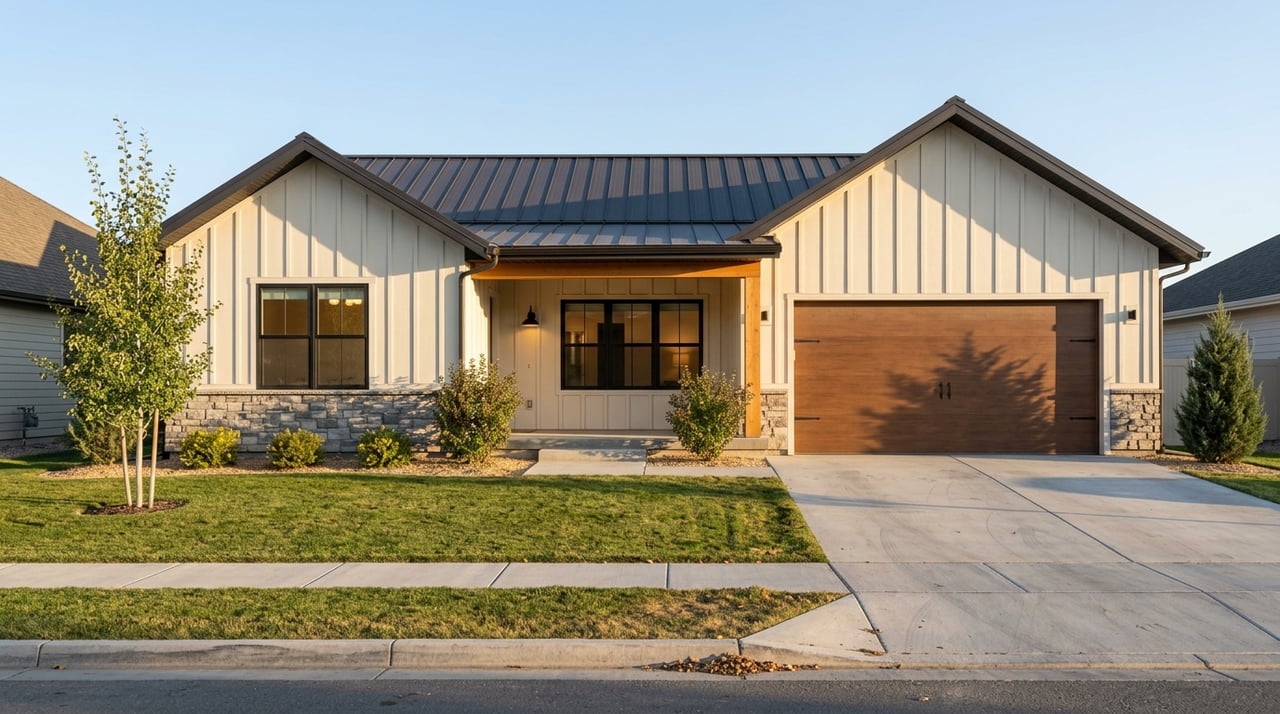
Eagle Mountain’s housing pattern plays a big role in daily life. The city’s economic development master plan says the housing stock is dominated by single-family homes, with townhomes located throughout the city and several multifamily buildings in the northern area.
The plan also notes that the first major wave of homes was built around the city’s incorporation in 1996. More recently, southern construction has accelerated, with building permits in the south exceeding those in the north for several years.
As a result, many buyers experience Eagle Mountain as a detached-home-oriented market with newer neighborhoods and room to grow. If you are looking for a suburban setting where residential areas are still expanding, that is a defining part of the appeal.
Cost and value considerations
Census data for 2020 through 2024 shows a median owner-occupied home value of $518,100 and a median gross rent of $2,020. The city’s 2023 economic development plan also said home prices had doubled over six years, while still describing Eagle Mountain as relatively more affordable than some nearby communities.
For buyers, that creates a mixed but common Wasatch Front reality. Eagle Mountain may still offer more relative value than some neighboring markets, but it is not the bargain it once was.
Who Tends to Enjoy Living Here
Eagle Mountain tends to fit people who want space, newer neighborhoods, and a routine built around home and outdoor recreation. If you like the idea of a residential setting where parks and trails are woven into everyday life, the city has a lot to offer.
It can also appeal to buyers who are comfortable with a commute and do not mind driving for work, errands, or a broader dining scene. For many households, that tradeoff feels reasonable when balanced against housing style, community growth, and access to recreation.
On the other hand, Eagle Mountain may be less appealing if you want a walk-everywhere environment or a more established urban mix of restaurants, offices, and entertainment. The city’s current development pattern simply points in a different direction.
The Bottom Line on Eagle Mountain Living
Day-to-day life in Eagle Mountain is shaped by growth, driving, and outdoor access. It is a place where many residents spend their time between home, the road, neighborhood parks, and the city’s extensive trail network.
For the right buyer, that can be a very strong lifestyle fit. If you want a newer suburban setting with room to breathe and a recreation-friendly rhythm, Eagle Mountain deserves a close look.
If you are weighing Eagle Mountain against other Wasatch Front communities, working with someone who understands both lifestyle fit and market realities can make the decision much easier. If you are thinking about a move, Jason J. Real Estate can help you compare communities and find the right match for your goals.
FAQs
What is daily life like in Eagle Mountain, Utah?
- Daily life in Eagle Mountain is typically suburban and car-based, with many routines centered on commuting, local parks, trails, and home life in newer residential neighborhoods.
Is Eagle Mountain a good fit for people who want outdoor recreation?
- Yes. The city reports 135 miles of trails, five regional parks, 53 neighborhood parks, bike features, skate parks, and seasonal splash pads, making outdoor access a major part of local life.
Do most Eagle Mountain residents commute to work?
- Many do. Census data shows a mean travel time to work of 32.3 minutes, and the city’s economic development master plan says many residents travel outside city boundaries for employment.
Can you run most errands in Eagle Mountain?
- You can handle many daily basics locally, but the city’s planning documents indicate that retail, dining, entertainment, and some services are still developing, so residents often travel to nearby areas for more options.
What kind of housing is most common in Eagle Mountain?
- Eagle Mountain is mostly made up of single-family homes, with townhomes throughout the city and some multifamily housing in the northern part of the community.