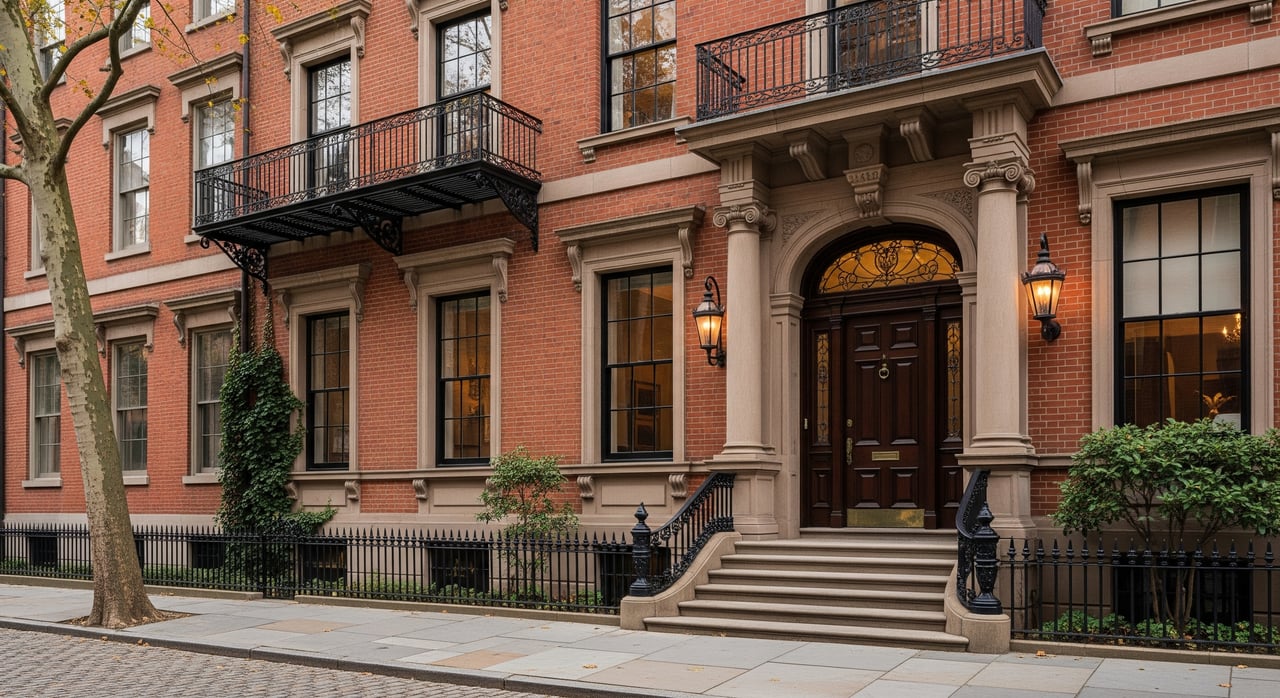
Thinking about selling your Old Town home but not sure how historic rules affect your sale? You are not alone. Historic districts protect character, yet they also shape what you can change and what you must disclose. In this guide, you will learn how approvals work, what documents to gather, common timelines, and how to position your listing for the right buyer. Let’s dive in.
What historic designation means in Old Town
Historic rules are local. In most places, a local historic district controls exterior changes that are visible from the street. The goal is to preserve the character-defining features that make Old Town special. As a seller, the key is to understand what is regulated and how that affects your timeline and disclosures.
Local district vs National Register
Local historic district status is what usually requires approvals before exterior work. If your home is listed on the National Register of Historic Places, that recognition by itself does not typically restrict private owners unless federal funding or permits are involved. The local ordinance and any recorded easements will set the rules you must follow.
Easements and overlays
Some properties have a preservation easement recorded on title. An easement is a legal agreement that can restrict interior and exterior changes and is enforceable by the easement holder. Your property might also sit within an overlay zone that works alongside zoning rules, affecting height, setbacks, or materials. Confirm what applies to your address before you list.
Approvals you may need before changes
Most districts require a Certificate of Appropriateness, sometimes called a COA, before you make exterior changes. This can include windows, roofing materials, porches, siding, additions, signs, fences, lighting, and sometimes paint colors. Demolition or relocation often has its own, more rigorous review.
Certificates of Appropriateness: how reviews work
There are usually two tracks. Minor, clearly compliant work can be handled by staff through an administrative review that is faster. Major changes, additions, or anything that needs an exception usually goes to a full commission hearing with public notice.
Typical timelines and emergency work
Administrative approvals often take days to a few weeks. A full commission cycle commonly runs 4 to 8 weeks from application to decision, depending on meeting schedules and completeness of plans. Larger items such as demolition or variances can take 2 to 6 months. Emergency temporary repairs for safety are often allowed right away, but permanent fixes may still need approval after the fact.
What is typically regulated
- Exterior alterations visible from the public way, including windows, doors, trim, siding, porches, chimneys, and roofing materials.
- Additions and new construction, reviewed for scale, massing, rooflines, placement, and materials that are compatible with the district.
- Demolition or relocation, often with a separate review and possible delay period to explore alternatives.
- Paint colors in some districts, especially where color palettes are character-defining.
- Signage and exterior lighting to ensure compatibility.
- Mechanical equipment like HVAC units, satellite dishes, and solar panels, including placement and screening to minimize visual impact.
- Landscaping, fences, and driveways, including materials and heights.
Seller disclosures that matter
You should gather and disclose documents that help buyers and lenders understand the property’s history and any restrictions. Clear disclosures reduce surprises and protect your transaction. These are the core items to prepare.
- Lead-based paint disclosures for homes built before 1978, plus any reports you have.
- Any recorded preservation easements or covenants that restrict alterations.
- Copies of past COAs, building permits, and approved plans.
- Information on open or unresolved violations related to historic rules.
- Current insurance declarations and any carrier conditions tied to historic materials or features.
Financing, renovation, and insurance
Most mortgage types, including FHA, VA, and conventional, do not prohibit historic homes. However, planned renovations can affect underwriting if the work would not be allowed by the district, or if the appraisal depends on changes that may not be approved. If a buyer plans renovations, encourage them to verify that the work is permissible or to structure contingencies accordingly.
Insurance can also differ. Replacement costs for historic materials like slate roofs or decorative masonry can affect premiums. Provide current insurance documents and note any conditions tied to unique materials.
Pricing and marketability in Old Town
Historic designation can expand interest among buyers who value authenticity and intact character. It may also reduce interest among buyers who want broad freedom to modernize. The price effect is local, and it depends on your segment of the market and the condition of character-defining features. Position your listing to speak to preservation-minded buyers and those who appreciate Old Town’s look and feel.
Pre-listing checklist for sellers
Set yourself up for a smooth sale by collecting documents before you hit the market. A clean, organized packet builds buyer confidence and speeds up due diligence.
- Deed, title report, and any recorded preservation easements or covenants.
- Copies of COAs, permits, and approved construction drawings for past work.
- Property survey and clear photos of current conditions and defining features, including elevations, porches, windows, trim, masonry, and roofing.
- Maintenance and restoration invoices, contractor warranties, and material specs, especially where replacements matched original materials.
- Current insurance declarations and any carrier restrictions.
- Lead-based paint reports, if available.
- Any grant or tax-credit agreements and any associated covenants.
Smart steps before you list
Small choices upfront can avoid delays and renegotiations later. Use this seller-focused checklist.
- Speak with local preservation staff to confirm requirements, typical COA timelines, and whether a pre-application review is smart for any repair or staging item.
- Secure administrative COAs for minor repair or staging changes that could be seen as alterations, including paint touch-ups that change color.
- Do not remove character-defining features. Buyers often pay for authenticity, and removals can hurt value and be irreversible.
- Consider a pre-listing preservation audit by a contractor experienced with historic materials to flag repairs and likely review outcomes for buyer plans.
Plan your timeline
Build the right buffers into your listing schedule and contract dates.
- Simple administrative COA: 1 to 4 weeks.
- Full commission COA for exterior alterations or additions: 4 to 12 weeks.
- Demolition review or variances: 2 to 6 months is common due to notice and alternatives analysis.
These are estimates. Your local calendar and application completeness will drive actual timing.
Incentives and special agreements
Incentives can be part of your value story, but they come with rules. The Federal Historic Rehabilitation Tax Credit provides a 20 percent credit for certified rehabilitation of income-producing historic structures. It does not apply to owner-occupied single-family homes. Some states and municipalities offer credits, grants, or low-interest loans, and availability varies.
If your property benefited from a grant or tax credit in the past, there may be covenants that require certain maintenance standards or approvals for future changes. These covenants stay with the property and should be disclosed.
Contract strategy and buyer facilitation
Help buyers fall in love with your home and navigate the rules with confidence. That combination can lift offers and reduce friction.
- Provide a full packet with COA history, maintenance records, and a plain-English summary of what the district regulates. This answers questions upfront.
- If you plan to complete repairs before closing, secure the necessary COAs and keep documentation with invoices and photos.
- If buyers plan exterior changes, encourage them to discuss concepts with staff early and consider contingencies tied to approvals.
- Align your closing timeline with realistic review cycles so neither party gets squeezed by deadlines.
Ready to move forward?
Selling a historic home in Old Town is about preparation, compliance, and storytelling. When you gather key documents, plan for approvals, and highlight the features that define your home’s character, you make it easier for the right buyer to say yes. If you want help packaging your COA history, pricing strategy, and listing plan, reach out to a local expert who knows how Old Town rules shape value. Connect with Jason J. Real Estate to start a conversation.
FAQs
What Old Town historic rules apply to sellers before listing?
- You should disclose any preservation easements, prior COAs and permits, lead-based paint information for pre-1978 homes, insurance details, and any open violations.
Do Old Town historic rules control interior renovations?
- Local ordinances usually focus on exterior changes visible from the street. Interiors are often not regulated unless a recorded preservation easement or specific local rule says otherwise.
Does National Register status limit what I can change in Old Town?
- National Register listing by itself generally does not restrict private owners. Local designation and recorded easements are what typically impose requirements.
How long do Old Town approvals take for exterior work?
- Administrative approvals often take 1 to 4 weeks. Full commission reviews commonly take 4 to 8 weeks, and demolition or variances can take 2 to 6 months.
Can buyers be denied renovations after closing in Old Town?
- Yes. If planned exterior changes need a COA and the commission denies the application, the buyer cannot proceed as proposed. Buyers should verify likely outcomes or use contingencies.
What if I already made unapproved exterior changes in Old Town?
- The commission can require restoration to an approved appearance and may issue fines. Disclose any violations and work to resolve them before sale if possible.