If you are considering a move to Lehi for a job near Silicon Slopes, you are probably wondering what daily life actually feels like once the excitement of the move wears off. The short answer is that Lehi offers close access to major employers, a suburban housing mix, and a long list of parks, recreation, and family-friendly amenities, all in a city that is still growing quickly. If you want a clearer picture of what to expect before you buy or rent, this guide will walk you through the basics. Let’s dive in.
Why Lehi draws Silicon Slopes buyers
Lehi has become one of the best-known cities tied to Silicon Slopes because of its location and employer base. Lehi City describes itself as a commercial center on the I-15 corridor, positioned between Salt Lake City and Provo, which gives many residents practical access to jobs across both counties.
The city is also home to landmark employers with operations in Lehi, including Adobe, Texas Instruments, Xactware, Vivint, Xango, and Ancestry. That concentration of companies helps explain why so many relocation buyers look at Lehi first when they want to live near Utah’s tech corridor.
The local economy also supports the Silicon Slopes identity in the data. A 2024 city station-area analysis around Thanksgiving Point found that professional, scientific, and technical services made up 19.3% of employment.
If you work remotely or split time between home and the office, Lehi also looks well set up for that lifestyle. Census and city data show that 99.4% of households have a computer and 97.0% have a broadband subscription.
What the city feels like
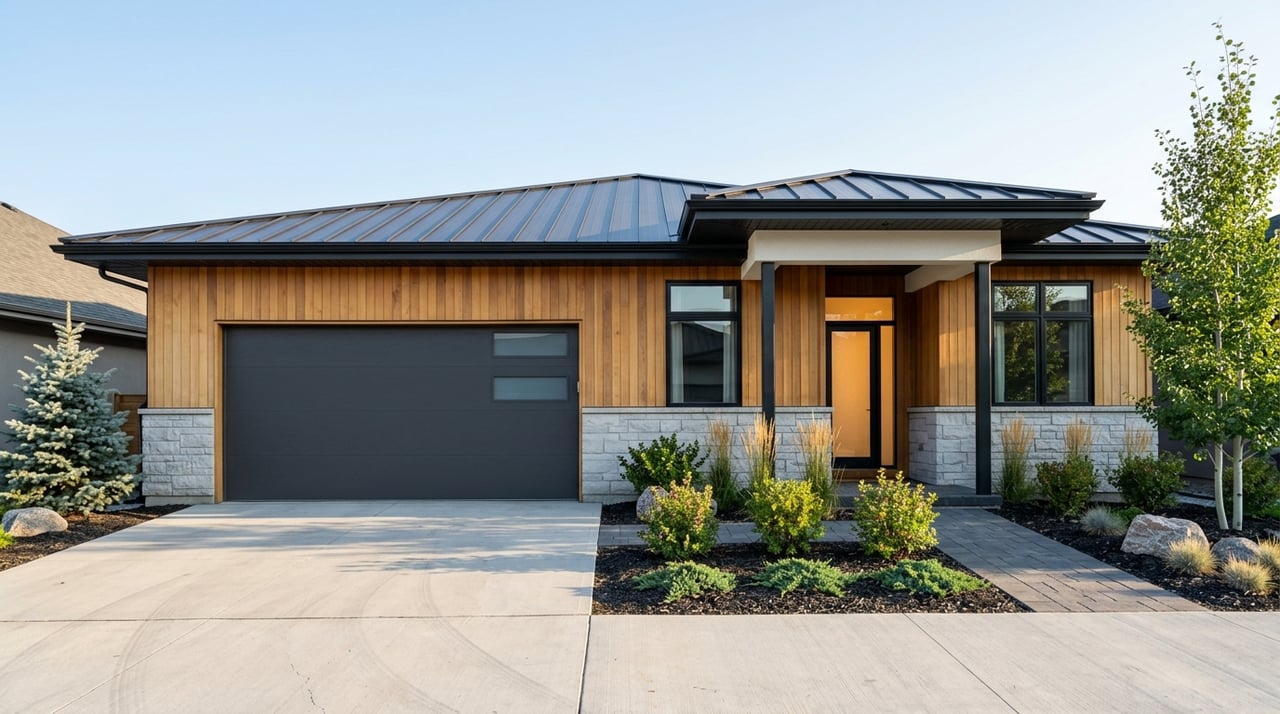
Lehi tends to feel like a fast-growing suburb with a strong work-and-home balance. You get the influence of a major employment hub, but much of the housing pattern and daily rhythm still lean suburban rather than urban.
The city’s estimated 2025 population was 95,313, which reflects 23.1% growth from the 2020 census base. That kind of growth often shows up in everyday life through new neighborhoods, new retail, road projects, and continued planning activity.
Lehi also has a relatively young population. Census data show that 35.2% of residents are under 18, the average household size is 3.56, and median household income is $131,299.
For many buyers, that means the city often appeals to households looking for space, convenience, and access to both work and recreation. It also helps explain why larger homes and planned communities are a major part of the local housing mix.
What housing looks like in Lehi
If you picture Lehi as a place with a strong suburban home base, the housing data backs that up. A 2024 Lehi FrontRunner Station Area Plan, using 2021 ESRI data, described the city’s housing stock as 88% single-family, 10% multifamily, and 1% mobile homes.
That same analysis found that 96% of housing units were occupied and that Lehi has a higher share of homes with three or more bedrooms than surrounding areas. In practical terms, you should expect to see a market with many detached homes, townhome-style options, and neighborhood layouts designed around larger households.
For buyers, pricing matters just as much as the housing type. Current Census data show a median value of owner-occupied housing units of $612,100.
For renters, the same Census profile reports a median gross rent of $1,964. The owner-occupied rate is 75.2%, which points to a market with a strong ownership bias even though rental options do exist.
Where growth is happening
Lehi’s growth is not random. City planning pages highlight continued development in areas such as Traverse Mountain, Holbrook Farms, Cold Spring Ranch, Thanksgiving Point, and the Lehi FrontRunner Station area.
That matters because the feel of your neighborhood may vary depending on whether you choose an established residential pocket, a newer master-planned community, or an area closer to transit and mixed-use development. Some buyers want a quieter residential setup, while others prefer to be closer to retail, offices, and commuter options.
The FrontRunner station area is especially worth watching. The city’s plan calls for transit-oriented development that blends office, residential, and retail uses with pedestrian streets, bike lanes, and transit-plaza space.
If you like the idea of living near newer infrastructure and a more connected layout, that part of Lehi may stand out. If you want a more classic suburban setup, other master-planned areas may feel like a better fit.
What renters should expect
Although Lehi leans heavily toward ownership, there is also newer rental inventory in the city. The station-area plan counted nine multifamily rental apartment developments with 1,563 total units.
A notable detail is that 86% of those units were built within the last 10 years. That suggests many renters will find more modern apartment options, especially in areas tied to transit and newer development patterns.
For relocation clients, this can be useful if you want to rent first before buying. It gives you a chance to learn commute patterns, explore neighborhoods, and decide which part of Lehi best fits your day-to-day routine.
Commuting in and around Lehi
Commute planning is a big part of living in Lehi near Silicon Slopes. Census data put the city’s mean travel time to work at 23.7 minutes, which can sound manageable, but your actual experience will depend heavily on where you live, where you work, and how often you travel during peak hours.
Road access remains a major part of daily life. Lehi’s location on the I-15 corridor is one reason it works so well for many professionals, but that same convenience also means traffic and construction can shape your routine.
One major project to know is the 2100 North freeway connection in Lehi. UDOT began construction in March 2026 on the 2.8-mile link between I-15 and Mountain View Corridor, with work expected through late 2028.
When complete, the project is projected to save about 12 minutes in each direction during peak periods. Until then, buyers should expect some commute variability while the area continues to build for future demand.
FrontRunner and active transportation
If you prefer more than one way to get around, Lehi offers some useful alternatives to driving. FrontRunner serves Lehi at 3101 N. Ashton Blvd., connecting the city to a 16-station rail line running across Weber, Davis, Salt Lake, and Utah counties.
UTA says FrontRunner trains typically include bike storage, free Wi-Fi, and restrooms. For some residents, that can make train commuting more practical, especially for trips north or south along the Wasatch Front.
Lehi is also continuing to invest in trail and active-transportation connections. City planning materials note work tied to the Jordan River/Murdock Connector Trail study and Traverse Mountain trail improvements that support hiking, mountain biking, running, and equestrian use.
If outdoor access matters to you, these connections add another layer to daily life beyond the standard drive-to-work routine. They can also help make nearby recreation part of your normal week, not just a weekend plan.
Everyday amenities in Lehi
One of Lehi’s strongest lifestyle advantages is the range of local amenities. The city has built out recreation spaces that support fitness, library access, sports, outdoor play, and general day-to-day convenience.
The Legacy Center is a good example. City information lists a fitness area, indoor track, gymnasiums, aquatics, and multipurpose spaces.
The Lehi City Library adds practical value with computers, free Wi-Fi, and a copy center. For many households, having those resources nearby is part of what makes a city feel easier to live in.
Lehi also offers a strong park network. Family Park includes an aviation-themed playground, splash pad, sensory garden, amphitheater, and walking path, while Willow Park connects to the Jordan River Trail and includes a boat launch and fishing access.
Lehi Sports Park adds more room for active recreation with ball diamonds, tennis courts, basketball courts, volleyball courts, and playgrounds. If your ideal community includes plenty of options for getting outside or staying active, Lehi checks many of those boxes.
Thanksgiving Point and local recreation
Thanksgiving Point is one of Lehi’s most recognizable attractions, and for many residents it becomes part of regular life rather than just a place to visit once. The Museum of Natural Curiosity offers more than 400 hands-on exhibits and is one of Utah’s standout children’s museums.
That kind of amenity can shape the feel of a city in a positive way. It gives residents a major local destination close to home and reinforces Lehi’s mix of employment access and lifestyle convenience.
Lehi also benefits from its broader setting. The city highlights access to hiking, camping, fishing, and mountain biking thanks to its location near Utah Lake and the Oquirrh and Wasatch mountain ranges.
For many buyers relocating from out of state, that combination is a major selling point. You can stay connected to a major job corridor while still being within reach of outdoor recreation across the region.
Is Lehi a good fit for you?
Lehi may be a strong fit if you want to live near major Silicon Slopes employers without giving up the feel of a suburban home base. It offers a housing stock weighted toward single-family homes, newer planned communities, growing transit-oriented areas, and a broad mix of recreation and everyday services.
It may be especially appealing if you value newer housing, commuter access, and a city that is actively planning for continued growth. At the same time, it helps to go in with realistic expectations about price points, ongoing development, and possible commute changes while infrastructure projects continue.
If you are comparing Lehi with other Wasatch Front communities, the right choice often comes down to your work location, desired home style, and how you want your week to feel once you move in. That is where local guidance can make the search a lot more efficient.
If you are thinking about relocating to Lehi or comparing suburban options across the Wasatch Front, Jason Jentzsch can help you evaluate neighborhoods, commute patterns, and housing choices with clear, local guidance.
FAQs
What is Lehi like for people working near Silicon Slopes?
- Lehi is a fast-growing suburb with close access to major employers, a strong presence of professional and technical jobs, and housing options that lean heavily toward single-family living.
What kind of homes are common in Lehi, Utah?
- Lehi’s housing stock is primarily single-family, with city planning data showing about 88% single-family housing and a smaller share of multifamily and mobile home units.
What should renters expect in Lehi?
- Renters should expect a market with newer apartment inventory in some areas, especially near transit-oriented development, along with a median gross rent of $1,964 based on current Census data.
How is the commute from Lehi to other Utah job centers?
- Lehi’s mean travel time to work is 23.7 minutes, and residents can use both road networks and FrontRunner, though construction and peak-hour traffic can affect drive times.
What amenities does Lehi offer for daily life?
- Lehi offers recreation centers, parks, trail access, library services, sports facilities, and major attractions like Thanksgiving Point, giving residents a wide mix of everyday and weekend amenities.
Is Lehi a good place to buy a home for relocation?
- Lehi can be a strong option for relocation buyers who want access to Silicon Slopes jobs, suburban neighborhoods, newer development, and outdoor recreation across the Wasatch Front.