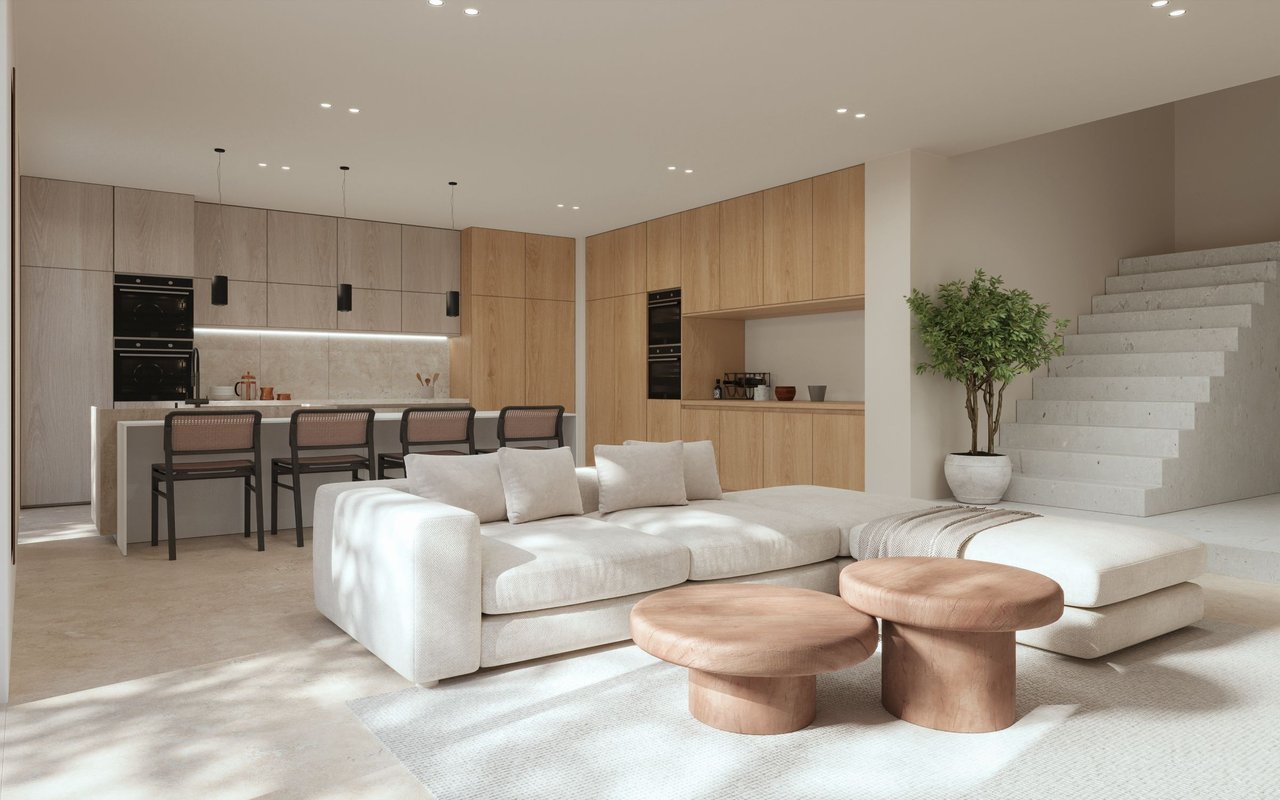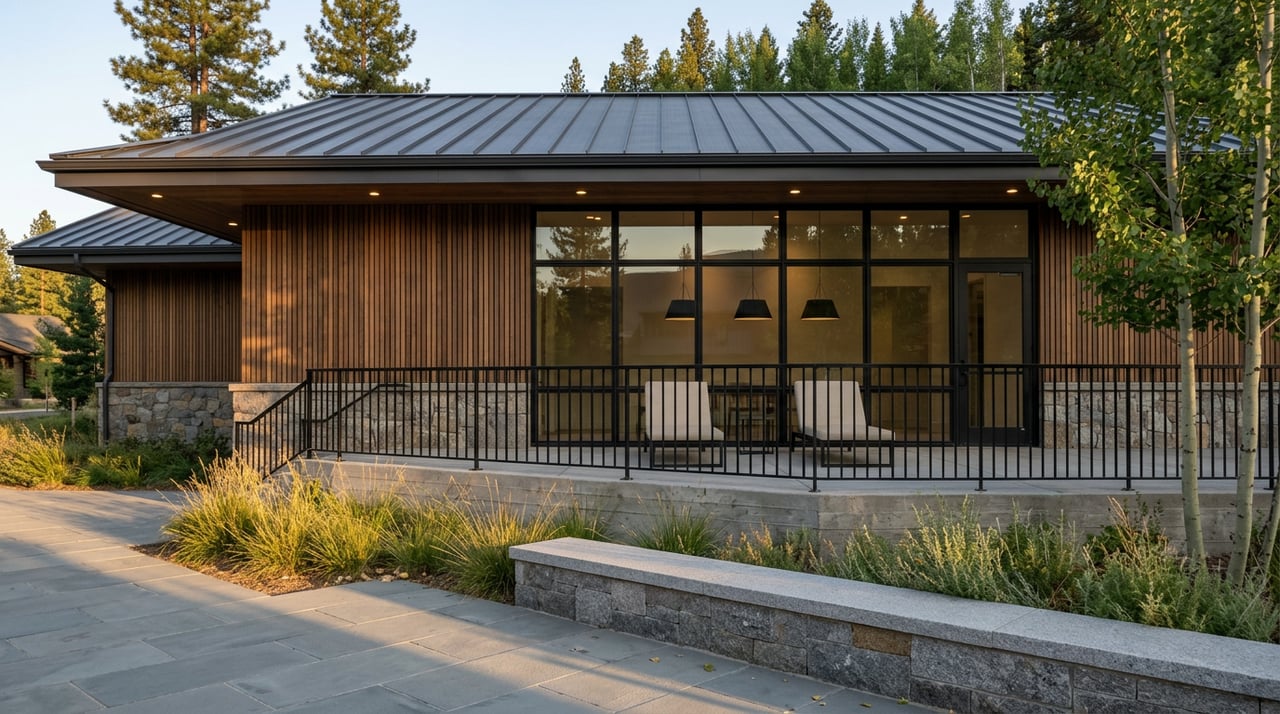
Thinking about a home in Glenwild and wondering what life inside the Club really looks like? You are not alone. The amenities and membership rules shape your day from tee times to pickleball reservations, so it pays to know the details before you buy. In this guide, you will learn how Glenwild’s golf, dining, fitness, trails, and membership structure work in practice, plus the key questions to ask so you choose the right fit. Let’s dive in.
Glenwild overview and location
Glenwild is a private, gated mountain golf community just north of Park City, centered on an 18‑hole Tom Fazio championship course often recognized among Utah’s best. The community sits within the Park City School District and is minutes from Park City and Deer Valley, with about a 25 to 30 minute drive to Salt Lake City International Airport, which is helpful for second‑home owners and frequent travelers. According to developer and club materials, sources describe Glenwild as an intimate enclave with roughly 190 to 200 homesites; published acreage varies by whether a source refers to the club property or the broader development. For official club context, start with the current Membership Guide and amenities overview on the Club’s site. (Membership Guide, Club amenities)
Golf course and practice
Glenwild’s Tom Fazio course is a par‑71 layout that plays up to about 7,470 yards from the tips, with multiple tees for all skill levels. The course has earned repeated top-course recognition in Utah, which signals quality design, conditioning and member pride. You can review historical ranking coverage for added context. (Membership Guide, Park Record coverage)
Serious players tend to highlight the practice complex. Recent club materials note a 2023 renovation to the practice area, featuring a double‑ended range, a large short‑game zone with multiple USGA‑rated greens, bunkers that mirror on‑course sand, an AimPoint putting green, and practice Pro V1x balls. The Club also runs a caddie program for an additional fee and offers clinics, junior programming, and member tournaments. (Membership Guide)
Clubhouse dining and social
The clubhouse is the community’s social hub with multiple dining outlets, seasonal menus, private dining for events, and an extensive wine program supported by sommelier service. Club dining materials cite roughly 500 wine selections, which is a standout for private clubs in the region. Notably, the Club states there are no food and beverage minimums, which many owners appreciate when managing travel-heavy schedules. Expect a busy year‑round events calendar that makes it easy to meet neighbors and entertain visiting family. (Member Dining, Membership Guide)
Fitness, spa, pool and courts
Wellness is a core part of the Glenwild lifestyle. Facilities include a fitness center, on‑site personal training and physical‑therapy services referenced in club materials, and a boutique spa with treatment rooms. A year‑round swimming facility gives families and fitness‑minded owners a dependable option in every season. (Membership Guide)
Tennis courts are striped for pickleball. The Club’s court policy outlines how play is scheduled and how long sessions run, which helps you plan busy weekends:
- Reserve courts through the website/app or front desk. Reservations take priority over walk‑ups.
- Bookings may be made up to 14 days in advance.
- Typical session lengths: 75 minutes for singles and 90 minutes for doubles; pickleball follows the same durations.
These rules shape availability during peak periods, especially when kids are out of school or guests are visiting. (Informational Booklet)
Trails and winter access
Glenwild connects to an extensive network of trails for hiking, biking, running and snowshoeing, and the community grooms cross‑country ski routes in winter. The nearby Glenwild Loop is commonly listed at about 8.3 miles with roughly 1,060 feet of elevation gain, which is a great reference loop for daily fitness. The four‑season focus means you can shift from golf and riding in summer to nordic laps and winter events when the snow arrives. (Club amenities, Glenwild Loop details)
Membership types and costs
Glenwild publishes two primary membership categories. Understanding each one will help you align access and budget with your lifestyle.
- Equity Golf membership. Full golf privileges plus access to all club amenities. The 2026 Membership Guide lists Initiation at $200,000, Annual Dues at $31,000, and Annual Capital Dues at $3,000. Members are not charged greens fees but may pay cart, trail and other associated fees.
- Non‑Equity Social membership. Access to clubhouse, pool, fitness, tennis and social events with limited golf. Social members may play up to six times per season as a guest of a Golf member. The guide lists Initiation at $50,000, Annual Dues at $15,500, and Repair & Replace Dues at $1,500.
Membership is separate from property ownership. You do not have to purchase a home to apply, and buying a home does not automatically confer membership. The guide also notes membership caps and current counts that affect availability. As published, caps include 325 Equity Golf and 75 Social memberships, with counts near 297 golf and 56 social at the time of the guide. Always confirm current numbers and any waitlist directly with the Club. (Membership Guide)
Access rules that matter
Day‑to‑day access is shaped by a few simple but important policies:
- Tee times. Seven‑day advance booking online or through the Golf Shop helps you plan weekly play and hosting.
- Family and guests. Privileges extend to a spouse or partner and unmarried children under 23, with guest access allowed under club rules.
- Equity refund structure. On resale or transfer, Equity Golf members receive an amount equal to 25 percent of the Membership Contribution received by the Club from the incoming member. Ask for the Membership Agreement for full timing and transfer language.
- Capital projects. The Club’s 2026 guide outlines a multi‑stage course infrastructure plan, with work scheduled to begin September 8, 2026 and full construction planned for the 2027 season. A member‑approved assessment of $40,900 per Equity Golf member and up to $6 million of club debt are listed as funding mechanics. Social amenities are not expected to be significantly affected, though temporary disruptions are possible. If playing the course in 2027 is a must, confirm the latest schedule with the Club.
These details influence both lifestyle and long‑term value, so it pays to review the most current documents before you commit. (Membership Guide)
Day‑in‑the‑life snapshots
It helps to picture how different owners actually live at Glenwild. Here are three common profiles.
Second‑home owner without membership
- You use the home for ski weeks and summer escapes, take advantage of the trail network and scenic privacy, and enjoy town nearby.
- Access to member facilities like dining, pool, spa and courts is typically limited without a club membership. You can apply for Social or Golf membership later if desired, subject to availability and approval.
- Check with the HOA and Club on what guest or visitor privileges apply to non‑members. (Glenwild community page)
Social member seeking wellness and community
- Mornings start with a workout or spa session, afternoons with tennis or the pool, and evenings at the clubhouse with friends or family.
- You attend year‑round events, but golf is limited to six rounds per season as the guest of a Golf member.
- You avoid full golf costs while still investing in a significant initiation and annual dues. (Membership Guide)
Equity Golf member building a golf‑centric routine
- You lean into the renovated practice facilities, book regular tee times, and use the caddie program on select days.
- You participate in clinics and member tournaments, then enjoy dinners and family events at the clubhouse.
- Your budget planning should include initiation, annual dues, possible cart or trail fees, and periodic capital assessments such as those tied to the upcoming course work. (Membership Guide)
Smart buyer checklist
Before you write an offer or finalize your move, request these documents and data so you can validate the experience and the numbers.
- The current Membership Guide and the Membership Agreement for transfer, refund and obligation language.
- Recent Club financials or operating budget and Board minutes for the last 12 to 24 months to see dues history, operating trends and planned assessments.
- HOA CC&Rs, HOA budget and reserve study, and recent HOA board minutes to confirm homeowner assessments, repair obligations and any rental rules.
- Member and guest policies, court reservation rules, and a sample weekly events calendar to understand peak‑time demand.
- The Club’s capital improvement plan and all recent communications about the golf course work, including the timeline and any member assessments.
Use these targeted questions to surface practical differences between Glenwild and other Park City communities:
- Is membership required to access any clubhouse amenities for homeowners, or is access restricted to members only?
- What is the current membership waitlist and typical timeline from application to approval?
- What is included in annual dues versus capital or special assessments? Are any special assessments planned?
- How do tee‑time windows work in practice on weekends and holidays?
- What are the HOA rules on short‑term rentals and long‑term leases?
- What junior programming is offered and is child supervision available during activities?
- For golfers, what are the current cart fees, caddie fees, practice‑ball policies and course‑closure contingencies tied to the improvement project?
- Are there resident ski shuttles, and if so, what is the schedule and reservation process?
You can begin gathering many of these items directly from public sources, then confirm the latest versions with the Club and HOA. (Membership Guide, Glenwild community page, Informational Booklet, Developer overview)
How to choose your best‑fit membership
Start with your real usage. If golf is central to your lifestyle, the Equity Golf path aligns best with the practice facilities, tee‑time access and tournament calendar you will likely use most. If you prioritize wellness, social events and family time at the pool or courts, Social membership offers strong value with occasional guest rounds.
Timeline matters too. If you anticipate heavy golf play in 2027, weigh the course improvement schedule and how that could influence your plan. If you are testing the community for a year, consider starting with Social membership while you evaluate golf demand and availability.
Finally, factor the numbers. Tally initiation, annual dues, typical incidentals and any approved or potential capital assessments. If membership availability is a make‑or‑break issue for your purchase, make sure your offer includes a clear contingency for reviewing Club documents and securing written confirmation of membership terms.
Ready to explore Glenwild homes or weigh your membership options with a local perspective? Reach out to Jason J. Real Estate to talk through neighborhoods, HOA and Club nuances, and a plan tailored to your goals.
FAQs
What makes Glenwild’s golf experience stand out in Utah?
- A Tom Fazio par‑71 course with strong regional recognition, paired with a renovated practice complex that includes a double‑ended range, multiple USGA‑rated short‑game greens, and an AimPoint putting green. (Membership Guide, Park Record coverage)
How do Glenwild memberships work for non‑owners and homeowners?
- Membership is separate from property ownership. You do not need to buy a home to apply, and purchasing a home does not automatically grant membership or access. (Membership Guide)
What is included with Social membership at Glenwild?
- Access to clubhouse dining, pool, fitness, tennis and social events, with the ability to play golf up to six times per season as a guest of a Golf member. (Membership Guide)
Are there food and beverage minimums at Glenwild?
- Club materials state there are no food and beverage minimums for members. Confirm current policy with the Club before joining. (Membership Guide)
How will the 2026–2027 course work affect play?
- The guide lists work beginning September 8, 2026 with full construction planned for the 2027 season, along with a member‑approved assessment. Confirm the latest timing and any interim play options with the Club. (Membership Guide)
What are the key court reservation rules for tennis and pickleball?
- Reserve up to 14 days in advance via the website/app or front desk, with typical sessions of 75 minutes for singles and 90 minutes for doubles. Reservations take priority over walk‑ups. (Informational Booklet)